Inflation affects almost every aspect of personal finance, from the cost of groceries to the returns on investments. As prices rise and purchasing power declines, investors often look for assets that can help preserve wealth. Among these, gold has long been regarded as a trusted store of value. Understanding how inflation impacts gold prices can help you make informed investment decisions and build a more resilient portfolio.
Understanding the Relationship Between Inflation and Gold
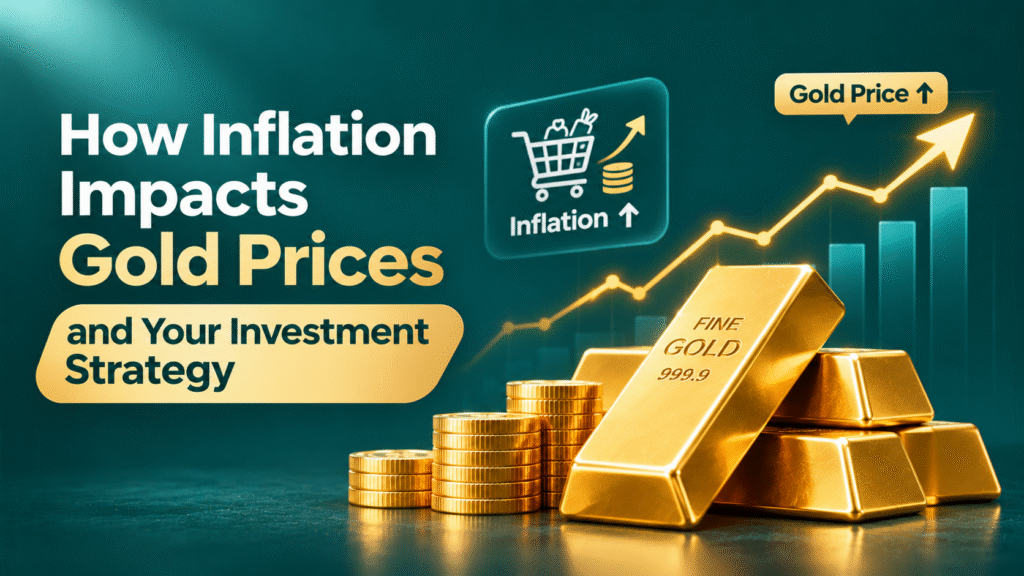
Inflation refers to the gradual increase in the prices of goods and services over time. When inflation rises, the value of money decreases, meaning each rupee buys less than before. During such periods, investors often turn to gold because it has historically maintained its value better than many traditional assets.
While gold prices don’t always move in direct proportion to inflation, periods of persistent inflation have often supported higher demand for the precious metal. As more investors seek safety, increased demand can contribute to rising gold prices.
Why Gold Becomes Attractive During Inflation
Gold is considered a hedge against inflation because it is a tangible asset with intrinsic value. Unlike paper currency, gold cannot be printed or created at will, making it less vulnerable to currency depreciation.
Some key reasons investors choose gold during inflation include:
- Preserves purchasing power over the long term
- Acts as a portfolio diversifier
- Provides stability during economic uncertainty
- Helps reduce the impact of market volatility
- These qualities make gold an important component of a balanced investment strategy, especially during periods of rising prices.
Does Inflation Always Increase Gold Prices?
Not necessarily. While inflation is an important factor, gold prices are influenced by several other variables, including:
- Interest rates
- Central bank policies
- Currency movements
- Global economic conditions
- Geopolitical events
- Investor sentiment
How to Include Gold in Your Investment Strategy
Rather than timing the market, many financial experts recommend allocating a portion of your portfolio to gold as part of a diversified investment strategy.
Some common ways to invest include:
- Digital Gold
- Gold Exchange Traded Funds (ETFs)
- Gold Mutual Funds
- Physical gold in the form of coins or bars
For investors looking to build their holdings gradually, a Gold SIP can be an effective option. Investing a fixed amount regularly helps average out purchase costs while encouraging disciplined investing.
Building a Balanced Portfolio
Gold should complement, not replace, other investments such as equities, fixed-income instruments, and mutual funds. A diversified portfolio can help manage risk while improving long-term financial stability. Reviewing your asset allocation periodically ensures your investments remain aligned with your financial goals, risk appetite, and changing market conditions.
Final Thoughts
Inflation may reduce the purchasing power of money, but it also highlights the importance of owning assets that have the potential to preserve value over time. Gold has consistently played this role for generations, making it an important consideration for long-term investors. By understanding how inflation impacts gold prices and incorporating gold thoughtfully into your investment strategy, you can strengthen your portfolio and stay better prepared for changing economic conditions.


